
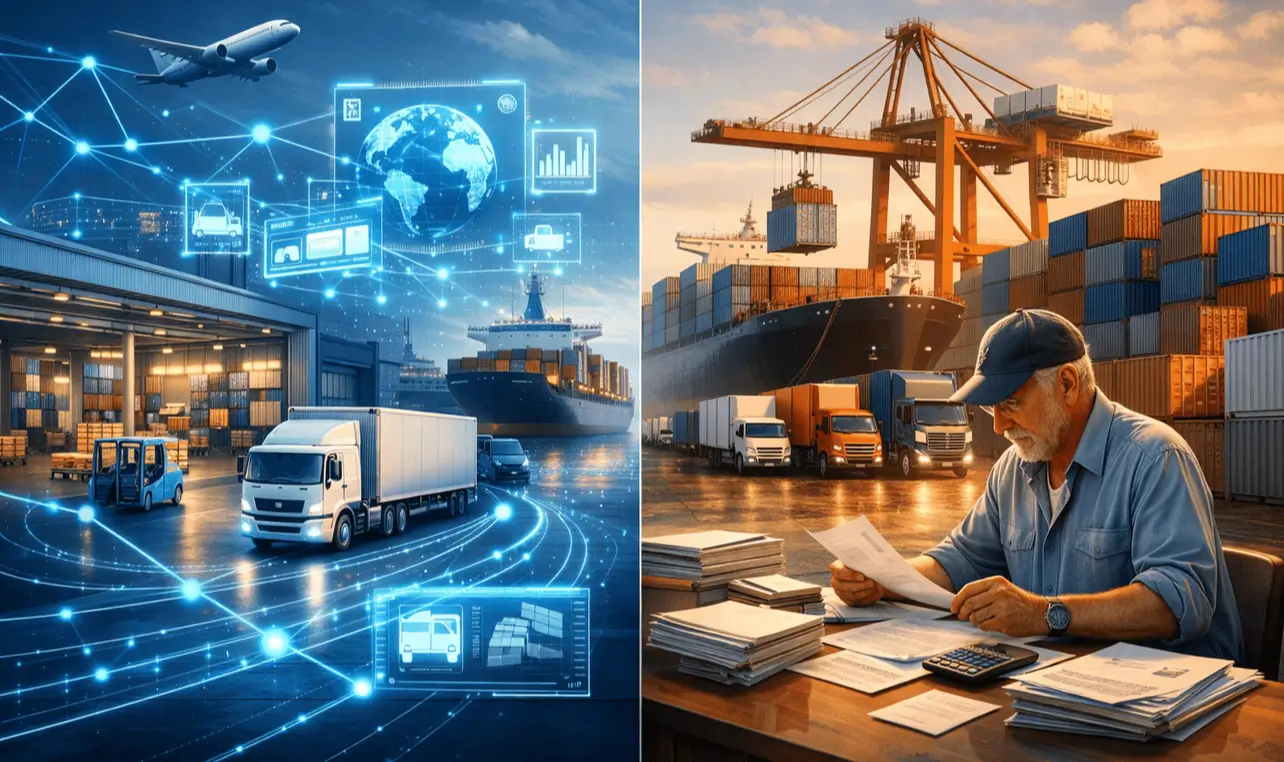
Global trade requires efficient shipping methods. Companies typically choose between integrated logistics and traditional freight forwarding. These two approaches operate very differently. Integrated logistics merges every supply chain step into one system.
Traditional freight forwarding focuses mainly on the transport of goods from one place to another. Understanding this difference helps businesses choose the right method to save time and money. We will explore the unique features of each approach and how they affect your business operations.
What Is Integrated Logistics?
Integrated logistics is a complete method for managing the entire product journey. It brings transportation, warehousing, inventory management, and order fulfillment together into a single system. Integrated logistics connects all these functions so they share data instantly. Teams work toward a shared goal rather than working alone. This approach removes the gaps that happen when departments work independently
Integrated Logistics Meaning and Core Concept
Your supply chain functions communicate constantly when you use an integrated logistics system. The warehouse sends data to the shipping department automatically. The inventory system updates the procurement team on stock levels immediately. Delivery partners track packages in real time. This entire process happens without manual handoffs.
The integrated logistics meaning involves more than just moving boxes. It creates a network where information flows freely. A customer places an order and the system checks stock instantly. It reserves the item and issues a pick list to the warehouse. It schedules a truck and notifies the customer. This coordination reduces errors significantly. It also cuts costs and speeds up delivery times.
Integrated Logistics Systems Include Key Components
An integrated logistics system relies on specific parts working together. These integrated logistics systems include technology and operational elements that drive efficiency.
- Technology Infrastructure
Enterprise resource planning systems support this approach. Warehouse management software and transportation tools are also essential. These systems collect data from every operation. They give decision makers instant access to performance metrics.
- Data Integration
Information flows between departments in real time. Inventory counts update the moment an item sells. Customers see their shipping status immediately. Suppliers receive alerts about future demand early.
- Process Coordination
Every department follows the same standard procedures. Information moves smoothly between teams without getting lost. Handoffs occur seamlessly because everyone uses the same platform.
- Supplier and Partner Network
Vendors, carriers, and warehouses connect to the central system. They view the same data that you view. This shared visibility allows them to plan effectively and respond to changes quickly.
What Is Traditional Freight Forwarding?
Traditional freight forwarding is a service with a specific focus. It moves goods from one location to another. This service is key for shipping to other countries. Freight forwarders plan the transport and handle the border forms. They take care of moving the actual goods. They are experts at navigating oceans and crossing international borders.
How Traditional Freight Forwarding Works
A freight forwarder connects your business with the companies that move goods. These companies include ship, plane, and truck operators. You tell the forwarder what you are shipping and where it needs to go. They find the best carriers and negotiate the rates. They arrange the pickup and manage all customs documentation. They track the shipment until it reaches the final destination.
Traditional forwarders rely on strong professional relationships. They have established connections with shipping companies and airlines. They work with ground handlers across the globe. These relationships often secure better rates and ensure reliable service. Forwarders possess deep knowledge of customs rules and import restrictions. This expertise varies from country to country.
Traditional freight forwarding often uses manual processes. Documents travel via email or phone calls. Tracking updates occur periodically rather than in real time. Staff members enter data into systems manually. These manual steps can slow down operations. They also increase the risk of human error.
Key Differences Between the Two Approaches
The difference between integrated logistics and traditional freight forwarding is substantial. Each method serves a different purpose. They operate with distinct philosophies.
Scope of Services
Integrated logistics manages the entire supply chain. It handles raw material sourcing and production planning. It controls inventory, warehousing, order picking, and packing. It also manages shipping and final delivery. It even handles returns and reverse logistics.
Traditional freight forwarding focuses on a single segment. It moves finished goods from point A to point B. The forwarder usually enters the process after products are ready to ship. They do not manage your warehouse. They do not control your inventory. They do not assist with demand forecasting.
Speed and Efficiency
An integrated logistics system processes orders very quickly. The supply chain responds instantly when a customer buys a product. Inventory is reserved immediately. Picking lists generate automatically. Trucks are scheduled without delay. Customers receive updates without manual emails.
Traditional freight forwarding depends on human coordination. Even the best forwarders need time to process shipment details. They must contact carriers to confirm space. They have to arrange pickups and prepare paperwork manually. Tasks that take minutes in an integrated system often take hours or days in traditional forwarding.
Transparency and Tracking
Integrated logistics offers total visibility into your supply chain. You see current inventory levels instantly. You know the exact location of every shipment at all times. You receive alerts about delays before they cause major issues. Your customers also see real time tracking.
Traditional freight forwarding offers limited transparency. You receive status updates only when the forwarder sends them. This might happen once a day or less frequently. You often discover problems after they have occurred rather than before.
Cost Structure
An integrated logistics system requires an initial investment in technology. It also requires infrastructure changes. However, it reduces operational costs significantly over time. Automation means fewer staff members handle data manually. Efficiency ensures trucks carry full loads. Better planning reduces the amount of excess inventory in warehouses.
Traditional freight forwarding has low startup costs. You only need a phone and a contact list to begin. However, the manual nature of the work increases labor costs. Simple errors can become expensive. Shipping to an incorrect address or missing a customs deadline costs money.
Customization and Flexibility
Integrated logistics performs best with high volume shipments. It is ideal for regular and predictable shipping patterns. The system analyzes your business to optimize operations. However, handling truly unusual requests may require manual workarounds.
Traditional freight forwarding is excellent for irregular shipments. It handles unusual requirements well. Your forwarder uses personal expertise to solve complex problems. They specialize in special handling and rare trade routes.
When to Use Integrated Logistics
Integrated logistics is the right choice for specific business models. It works best if you have high shipping volumes. It is ideal for companies with predictable demand. It suits businesses that prioritize cost efficiency. It is essential if you need real time visibility. E-commerce companies frequently use this method. Large retailers and manufacturers also rely on the integrated logistics definition of success.
When Traditional Freight Forwarding Works Better
Traditional freight forwarding remains a strong option for many businesses. It suits companies that ship infrequently. It is valuable if you need expertise for complex international trade. It is perfect for those who value personal service. Companies that are new to international shipping often start here. Small businesses without large technology budgets find traditional forwarders practical.
The Future: Hybrid Approaches
Leading companies today often use both methods. They use integrated logistics for routine domestic distribution. They work with digital freight forwarders to ship internationally. This mixed approach blends fast automation with human expertise. It offers the advantages of both systems.
Conclusion
The decision between integrated logistics and traditional freight forwarding depends on your business needs. One provides speed and visibility through automation while the other offers expert flexibility for complex shipments. You do not have to make this difficult decision alone.
Whether you require seamless system integration or expert freight management, you can trust Sea Trans Agencies for reliable service. Their team understands both modern technology and traditional shipping excellence to keep your business moving forward.