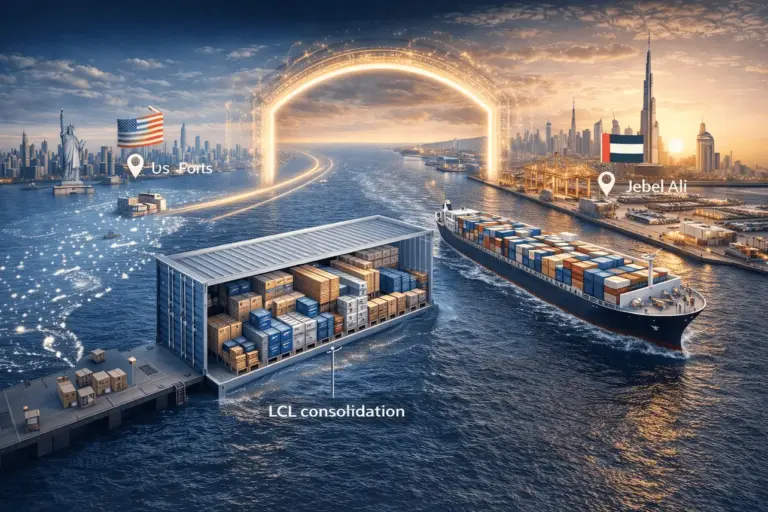



Selecting the right freight forwarding partner is important for your business success. This partner moves your goods, handles paperwork, and makes sure products reach customers on time. A good freight forwarding company cuts shipping costs, speeds up deliveries, and keeps your supply chain working smoothly. Whether you ship within your country or to other countries, you need a partner with the right skills and experience. This article explains what freight forwarding is and lists practical checks to compare providers and choose the right one.
Understanding Freight Forwarding and Its Importance
Freight Forwarding is the service of arranging the movement of goods from the shipper to the final receiver. A freight forwarder works with shipping lines, airlines, trucking companies, and rail operators to move cargo on the best route. The forwarder books space, schedules pickup, and coordinates delivery timing.
The forwarder also manages key documents that carriers and customs authorities require. These services matter because one error can cause customs holds, storage charges, and missed delivery dates.
A capable forwarder improves planning because shipments move with fewer stops and fewer corrections. Better control helps you manage inventory, production schedules, and customer delivery dates. Clear shipment status reduces the time your team spends chasing updates.
Key Factors to Evaluate in a Freight Forwarding Partner
Industry Expertise and Proven Track Record
Specialized Knowledge
Strong Industry expertise matters because products have different handling rules and document needs. Some cargo needs temperature control, special labels, or safety approvals. Some goods face strict checks at certain ports or borders. A forwarder with the right knowledge can recommend safer packing methods and better routing choices. The forwarder can also advise on the best shipping mode based on cost, deadline, and cargo risk.
A strong Proven track record usually shows in repeat customers and stable service over time. Consistent performance matters more than one successful shipment.
Verifying Their Experience
Ask for examples that match your cargo type and trade lane, including shipment size and transport mode. Ask what problems happened and how the forwarder fixed them. Good answers include clear actions, realistic timelines, and final outcomes. Request references from customers in a similar industry and ask about delivery reliability and document accuracy. Ask how they manage peak season space shortages, since this is when weak providers often fail.
Global Reach and Network Capabilities
Network Strength
Wide Global reach helps if you ship to multiple countries or plan to expand. A broad network supports door-to-door shipping, which reduces handover mistakes. It also helps during disruptions because the forwarder can switch ports, carriers, or routes faster. More options can protect delivery timelines when one lane becomes congested.
Evaluating Connections
Ask where the forwarder has direct offices and where it uses partners. Ask who handles the shipment at origin, transit, and destination, and who you contact if a destination issue occurs. Ask which carriers they use most often and why they trust them. Confirm that the forwarder can manage inland delivery at destination, because last-mile delays affect customer satisfaction. Ask if they offer different service levels, such as economy versus priority, so you can match speed to budget.
Client Testimonials and Real Results
The Value of Feedback
Strong Client testimonials show how a forwarder performs during normal shipments and during problems. Useful feedback mentions response speed, update quality, and accuracy of documents and invoices. Look for examples where the forwarder handled delays, customs checks, or urgent changes. Feedback from companies with similar cargo and routes is the most relevant.
How to Check References
Ask for two or three references and speak with them directly. Ask how fast the forwarder replies and whether updates arrive without follow-ups. Ask how often documents need correction and how quickly corrections happen. Ask if invoices match quotes and whether extra charges are explained early. Repeated complaints about unclear updates or surprise fees often point to weak processes.
Risk Management and Reliability
Mitigating Shipping Risks
Shipping risks include damage, theft, rolled bookings, missed cut-offs, and customs holds. Strong Risk management reduces these issues through checks before cargo moves. A good forwarder confirms packing requirements, verifies shipment data, and checks timing before deadlines. Ask what insurance options they support and how they guide you during claims. A clear claims process protects cash flow when problems occur.
Contingency Planning
Ask what they do when a vessel schedule changes, a flight is canceled, or a port becomes congested. A strong partner offers options like rerouting, switching modes, or splitting cargo across departures. Ask who approves extra costs during a disruption, since slow approvals can cause bigger delays. Ask how they prevent repeat problems by improving the process after each incident.
Real-Time Tracking and Visibility
The Importance of Visibility
Clear shipment visibility helps you plan inventory and respond to customer questions with facts. Real-time tracking reduces the need for repeated calls and emails. Ask which milestones you can see, such as pickup, departure, arrival, customs release, and delivery confirmation. Better visibility helps you set accurate delivery expectations and avoid stock issues.
Technology Integration
Ask if the forwarder offers a dashboard your team can access at any time. Ask if the system sends automatic alerts for delays and schedule changes. Confirm how often tracking updates and whether tracking covers final delivery, not only port events. Ask how they handle missing scans, because tracking gaps can create confusion for your team and your customers.
Automated Documentation and Customs Brokerage
Reducing Paperwork Errors
International shipping depends on correct documents such as invoices, packing lists, and transport documents. One error can trigger customs holds and extra storage charges. Automated documentation helps reduce typing mistakes and speeds up document preparation. Ask what review steps they use before submission and who is responsible for final checks. Ask how quickly they can correct documents when changes are needed, since speed can decide whether cargo moves on time.
Customs Clearance Efficiency
Strong Customs brokerage support helps shipments clear borders faster and with fewer holds. Ask if they do pre-checks before departure, because this prevents common mistakes. Ask how they respond when customs requests extra documents or inspections. Clarify how duties and taxes are communicated, since clear cost guidance supports accurate landed-cost planning.
Customer Support and Communication
Responsiveness and Availability
Fast Customer support matters because shipping decisions often cannot wait. Ask if you get a dedicated contact and a backup contact. Ask what response times you can expect during business hours. Ask how support works across time zones if your shipments move internationally. Clear coverage prevents delays caused by slow replies.
Proactive Communication
Good communication means you receive updates before you ask. Strong updates explain what happened, what it means, and what the next step is. Ask to see sample status updates so you can judge clarity. Ask how the forwarder warns you about extra charges before they occur. Early warnings help you control costs and avoid invoice disputes.
Sustainability Practices
Green Initiatives
Many companies now care about lower-emission shipping choices. Good Sustainability practices include consolidation, better load planning, and smarter routing. Consolidation reduces wasted space and can lower cost and emissions per unit. Ask if the forwarder can recommend sea versus air based on your deadline, since planning earlier often reduces the need for high-emission urgent shipping.
Long-term Impact
Ask if the forwarder can provide basic emissions reporting or carrier comparisons. Reporting helps when customers request environmental information. Ask if they have ongoing efficiency programs, since small improvements add up across many shipments. Sustainability support can also help you meet buyer requirements and internal targets.
Making Your Final Decision
Research and Comparison
Write down your shipping needs, including cargo type, frequency, lanes, and delivery targets. Compare forwarders using the same checklist so the evaluation stays fair. Request written quotes that list included services, such as pickup, documentation, customs support, and final delivery. Ask about common extra charges like storage, port charges, and delivery surcharges. Clear scope and clear pricing reduce surprises.
The Trial Phase
Run a trial shipment before signing a long contract. Track response time, document accuracy, update quality, delivery timing, and invoice accuracy. Review the trial results with the forwarder and ask what they will improve. Choose based on real outcomes, not sales claims.
Conclusion
The right freight forwarding partner helps you reduce delays, control costs, and keep customers informed. Focus on experience, network coverage, references, and strong systems for documents and customs. Confirm that tracking and communication fit your daily needs, because these two areas shape customer trust. Use a trial shipment to test performance before you commit long term. When the forwarder works like part of your team, your supply chain becomes easier to manage and more reliable.