

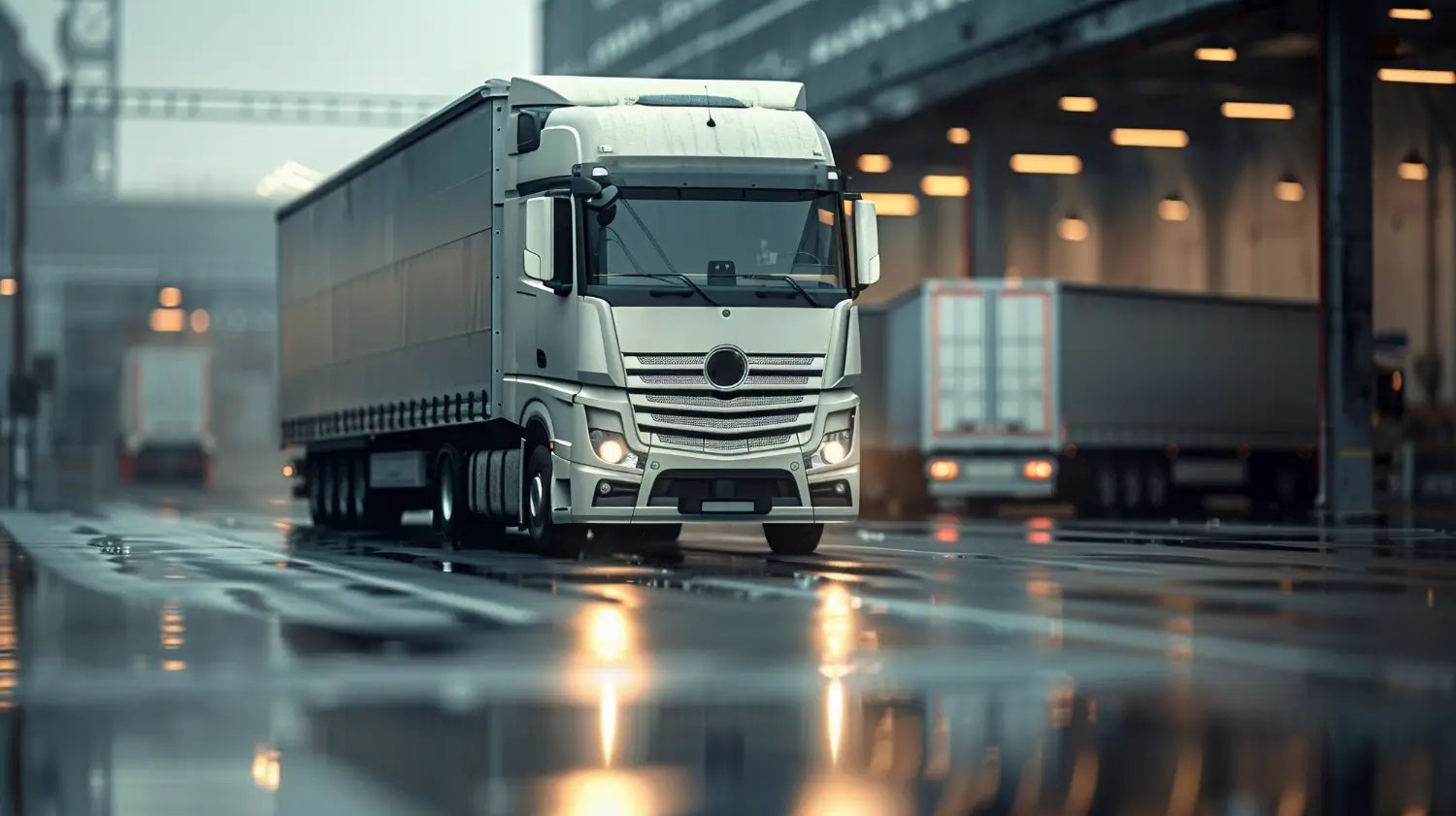
The logistics industry is entering a transformative era where self-driving technology is no longer just a futuristic concept but an emerging reality. Autonomous trucks are poised to redefine how a shipping company moves goods, integrating advanced sensors, artificial intelligence, and machine learning to navigate complex environments without human intervention. This shift promises to enhance operational speed, improve safety, and drive sustainability across the entire supply chain.
The Dawn of Autonomous Global Logistics
The integration of self-driving technology is signaling the beginning of a new chapter for Global logistics. Autonomous trucks are emerging as a powerful force, designed to address critical industry challenges such as delivery delays, rising operational costs, and the increasing demands of global e-commerce.
These vehicles are already proving their worth in controlled environments like mines and ports, and their presence on public highways is expected to grow significantly over the coming decade. By leveraging real-time data and connectivity, these trucks will create a more synchronized and responsive global trade network.
From Driver Assistance to Full Autonomy
The transition to fully autonomous trucking is a phased evolution rather than an overnight switch. It starts with advanced driver-assistance systems (ADAS), which are already standard in many modern fleets. The technology then advances to semi-autonomous levels where trucks can handle highway driving under supervision but require human intervention for complex maneuvers.
The ultimate destination is full autonomy, where trucks operate independently from origin to destination. This gradual progression allows regulators, manufacturers, and the public to build trust in the safety and reliability of the technology.
Core Technologies Enabling the Shift
A suite of sophisticated technologies drives the capabilities of autonomous trucks. Artificial intelligence acts as the central nervous system, processing vast amounts of data to make split-second driving decisions.
Complementing the AI are comprehensive sensor arrays—including LiDAR, radar, and high-resolution cameras—that provide a 360-degree view of the environment. These systems work in unison to detect obstacles, read traffic signs, and anticipate the behavior of other road users, ensuring a level of precision that exceeds human capability.
Enhancing Logistics Services with Automation
For a forward-thinking logistics company, the adoption of autonomous vehicles offers a pathway to unprecedented efficiency. By decoupling freight movement from the physiological limits of human drivers, these trucks can operate nearly continuously, stopping only for refueling and maintenance.
This capability allows companies to offer faster, more reliable logistics services, creating a supply chain that is both resilient and responsive to customer needs.
Driving Efficiency and Lowering Costs
The economic case for autonomous trucks is compelling. Unlike human drivers who are bound by strict hours-of-service regulations, autonomous systems can operate 24/7, drastically reducing transit times.
Additionally, these vehicles can optimize fuel consumption through precise acceleration and braking, as well as techniques like platooning, where trucks drive closely together to reduce aerodynamic drag. These efficiencies translate into significant cost savings, which can be reinvested into other areas of the business or passed on to customers.
Establishing a New Standard for Safety
Safety remains a paramount concern in the transportation industry, with human error being a leading cause of accidents. Autonomous technology addresses this head-on by eliminating risks associated with fatigue, distraction, and impaired driving.
Self-driving systems are programmed to adhere strictly to traffic laws and maintain safe following distances at all times. By removing the variability of human behavior, autonomous trucks have the potential to dramatically reduce accident rates and make roads safer for everyone.
Addressing the Industry’s Driver Shortage
The chronic shortage of long-haul drivers has been a persistent bottleneck for the freight industry. Autonomous trucks offer a strategic solution by taking over the monotonous and demanding long-haul routes.
This shift allows human drivers to transition into more specialized roles, such as local delivery and complex urban navigation, which require a human touch. Rather than replacing drivers, automation redefines their roles, making the profession more sustainable and attractive to a new generation of workers.
The Evolving Role of Freight Forwarding
As autonomous trucks become a staple of the transportation landscape, the role of freight forwarding will undergo a fundamental shift. The focus will move from coordinating manual processes to managing digital networks of intelligent assets.
A modern freight forwarding provider will need to harness data analytics to oversee automated fleets, ensuring seamless integration between different modes of transport and maximizing the efficiency of the entire logistics ecosystem.
Managing a Fleet of Smart Logistics Vehicles
In this new era, a logistics company will be responsible for orchestrating fleets of smart, connected vehicles. These trucks will continuously transmit data on their health, location, and cargo status, allowing for proactive maintenance and dynamic route optimization. Logistics managers will use this real-time visibility to anticipate disruptions and adjust schedules on the fly, ensuring that goods arrive on time regardless of external conditions.
New Business Models and Service Opportunities
The flexibility of autonomous technology will spawn innovative business models. We are likely to see the rise of “transportation-as-a-service” for freight, where companies can book autonomous capacity on demand.
Shared networks could allow multiple shippers to pool their cargo, maximizing truck utilization and reducing costs. Furthermore, performance-based contracts tied to precise delivery metrics will become the norm, driving higher standards of service across the industry.
Challenges on the Road to Adoption
Despite the clear benefits, the path to widespread adoption of autonomous trucks is paved with challenges. Regulatory frameworks must be updated to clarify liability and safety standards for driverless vehicles.
Public perception also plays a critical role; the industry must demonstrate the technology’s safety record to gain broad acceptance. Additionally, significant investment in infrastructure—such as smart roads and dedicated lanes—will be necessary to fully support the capabilities of autonomous fleets.
Creating a Clear Regulatory Framework
Governments worldwide are working to establish the rules of the road for autonomous vehicles. Key issues include determining legal responsibility in the event of an accident and setting rigorous safety certification standards.
A harmonized regulatory approach across borders is essential to facilitate international trade and ensure that autonomous trucks can operate seamlessly across different jurisdictions.
Public Perception and Workforce Transition
Building public trust is as important as developing the technology itself. Transparent communication about safety testing and pilot programs is crucial to alleviating fears about driverless trucks. Simultaneously, the industry must support the workforce through this transition.
Training programs will be vital to equip drivers and logistics personnel with the skills needed to manage and maintain these advanced systems, ensuring that the benefits of automation are shared widely.
Conclusion
The future of logistics is being reshaped by the relentless advance of autonomous trucking technology. By promising a safer, more efficient, and cost-effective way to move goods, self-driving vehicles are set to become the backbone of the global supply chain. Companies that embrace this evolution will not only survive but thrive in the competitive landscape of tomorrow. If you want to hire professionals, you can trust Sea Trans Agencies for reliable service.