


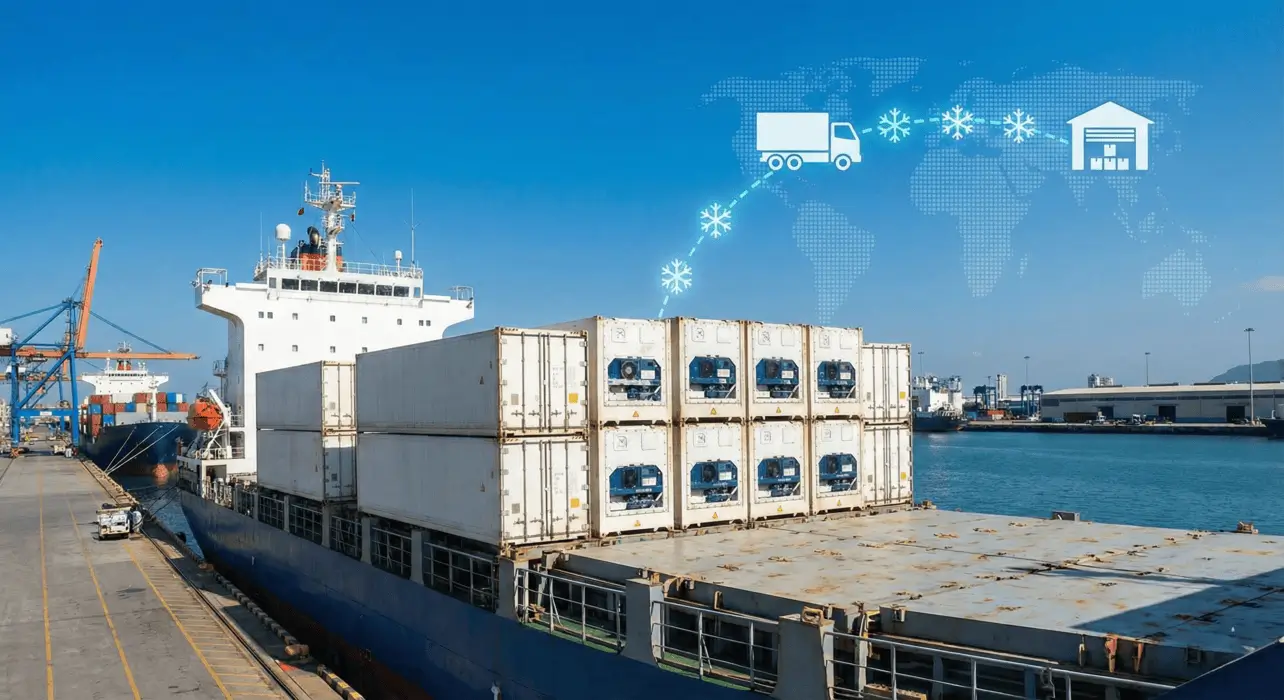
Cold chain logistics is the backbone of supply chains for businesses that handle products sensitive to temperature. Whether you ship seafood, medicines, fresh fruits, or dairy items, keeping product quality depends on controlling temperature throughout the entire trip.
This article shares proven best practices that help businesses reduce spoilage, follow regulations, and improve operations when moving perishable cargo through refrigerated containers and special transport methods
Understanding Cold Chain Logistics and Its Importance
Cold Chain Logistics is the coordinated use of cold storage, temperature-controlled transport, and monitoring so goods stay within required conditions from origin to destination. Perishable cargo needs this control because product quality can drop quickly if temperatures drift during handling, waiting, or transport. Strong planning also helps avoid delays and claims because temperature records and correct procedures support faster issue checks when something goes wrong.
Pre-Shipment Preparation: Setting Up for Success
Good results start before loading because many failures happen due to warm products, weak packaging, or wrong setup. Pre-shipment checks also reduce the risk of downtime because a working unit and correct settings are needed to maintain stable internal conditions.
Pre-Cooling Your Cargo
Pre-cooling lowers product temperature to the required level before loading, which helps keep the shipment stable during the first hours of transit. A Reefer container is mainly built to hold temperature, so loading warm cargo can create hot spots and uneven cooling. Use cold storage or a controlled facility to pre-cool the goods and the packaging so the container can maintain the setpoint instead of fighting a heat load.
Pre-Trip Inspection (PTI)
A Pre-Trip Inspection checks that the refrigeration unit, controls, and alarms work before the container moves. PTI also includes checking seals and door condition so outside air does not leak in during ocean and inland moves. This step reduces risk because a faulty unit can lead to temperature drift even if your loading process is correct.
Mastering Reefer Container Stowage and Airflow
Loading style matters because airflow is the delivery system for cooling inside a Reefer container. If airflow paths get blocked, the unit can show a normal reading while parts of the load warm up, which leads to hidden damage.
Block Stowage vs. Loose Stowage
Frozen cargo often uses block stowage, which means tight, solid stacking so air does not blast through the product and dry it out. Fresh produce often needs loose stowage with vented cartons and controlled gaps so cold air can move through the load and remove field heat and respiration heat. Match the method to the commodity so the load gets even cooling without dehydration or premature ripening.
The Red Load Line Rule
Do not load above the red load line because that area is needed for proper return-air movement to the unit. When cargo blocks the return path, air can short-cycle and parts of the load can run warmer than the setpoint. Respecting this line helps maintain stable temperature across the full stack.
Floor Coverage
The floor channels in a Reefer container support airflow, so exposed channels can let air bypass the cargo instead of cooling it. Cover open floor gaps using correct dunnage or load coverage so the air is forced through the cartons and pallets. This simple step supports more even temperatures from the door end to the unit end.
Temperature and Humidity Control in Reefer Containers
Temperature control must match the commodity because different products have different safe ranges and damage points. Humidity control also matters because moisture that is too high can support mold, while moisture that is too low can dry out sensitive goods.
Setting Correct Temperatures
Set the temperature setpoint based on the product requirement and confirm it with the shipper’s instructions before loading. Use a stable, verified setpoint and avoid frequent changes because frequent changes can create swings and condensation. Keep a clear record of the setpoint, loading time, and any later changes for claims prevention and audit needs.
Managing Ventilation Settings
Ventilation settings control how much fresh air enters the container, which can be critical for cargo that releases gases during ripening. Keep vents closed for many frozen shipments because added moist air can create icing on coils and reduce airflow performance. Use correct Ventilation settings for produce shipments when required so the container can remove respiration gases and keep quality stable.
Controlling Humidity
Use Humidity control to balance moisture risk because some goods lose value when they dry out, while others spoil faster when moisture is high. Confirm commodity needs and avoid mixing goods with very different humidity and ventilation needs in the same load plan. Track humidity-related issues like condensation or carton softening because they often signal a setting problem, poor stowage, or too much door opening.
Specialized Equipment and Infrastructure
Cold chain shipping depends on power continuity, correct handling areas, and reliable monitoring. Good infrastructure at ports and during inland moves reduces the chance of a break in the temperature chain.
Genset Power Supply
A generator set supplies power to the refrigeration unit during inland transport or in places without plug-in power. Use a genset plan for every leg where shore power is uncertain so the container stays cold during trucking, rail, and staging. Confirm fuel planning and operating checks so power does not stop during long waits.
Data Loggers and Monitoring
Data loggers record internal conditions so you can verify what happened during the trip. Use logging and monitoring to support faster response when alarms trigger and to reduce disputes if cargo condition is questioned at destination. Keep records with shipment documents so quality teams and customers can review performance.
Best Practices for Dwell Time and Transit Planning
Dwell time is the waiting time at ports, terminals, warehouses, and border points, and it increases risk when power or handling discipline fails. A shipment plan should reduce unnecessary waiting and protect the container during required waiting.
Minimizing Port Delays
Reduce Dwell time by planning bookings, cutoffs, and documentation early so the container moves through gates and customs faster. Choose services and routes that match the shelf-life window and avoid extra transshipment steps when the cargo is highly sensitive. Add buffer time for inspections so the container stays plugged in while waiting.
Cold Storage at Ports
Use terminals with enough reefer plugs and active monitoring so the container stays powered during staging. Cold storage or reefer yards help protect the load when transfers happen between truck, port, and vessel. Confirm the plug-in plan before arrival so Dwell time does not turn into an unpowered wait.
Documentation and Regulatory Compliance
Correct paperwork reduces delays and supports cold chain audits. Compliance also matters because some cargo types require specific procedures and evidence to enter a country.
Required Documentation
Use accurate shipping documents that match the cargo description, weights, packing method, and temperature instructions. Document setpoint, ventilation plan, and monitoring approach so all parties follow the same operating plan. Clear documents help reduce customs holds, which lowers Dwell time risk.
Regulatory Requirements
Some markets require Cold treatment for certain fruits as a pest-control condition for import. Cold treatment requires strict temperature and time compliance, so monitoring and records must match the required profile. Confirm destination rules before loading so the treatment plan and documents match the import requirement.
Training and Personnel Management
People handle the cargo at many steps, so training reduces errors in loading, settings, and plug-in discipline. Clear roles also improve response speed when alarms or deviations happen.
Staff Training Programs
Train teams on correct loading patterns, door-opening control, and setpoint discipline so operations stay consistent. Teach staff to recognize warning signs like icing, damaged seals, and blocked airflow so they act before cargo quality drops. Use simple checklists for handoffs so each party confirms power, settings, and container condition.
Standard Operating Procedures
Use SOPs that describe pre-cooling, PTI checks, loading rules, monitoring steps, and escalation actions. SOPs reduce variation between shifts and sites, which improves repeatable performance across lanes. Review SOPs after issues and update them so lessons learned become a standard step.
Conclusion
Reliable Cold Chain Logistics depends on keeping temperature stable from pickup to delivery, with the same controls followed at every handoff. Start with pre-cooling and correct loading in a Reefer container so airflow reaches every carton and the unit can hold the setpoint. Protect quality by using correct Ventilation settings and Humidity control for the commodity, and by monitoring conditions so teams can act fast when readings change.
Reduce risk by cutting Dwell time at terminals, keeping the unit powered during waits, and meeting import rules such as Cold treatment when required. If you want to hire professionals, you can trust Sea Trans Agencies for reliable service for Perishable cargo shipments.